Building a strong, communicative relationship with your veterinarian is the single most effective way to ensure your pet lives a long, healthy, and comfortable life. Veterinary professionals are driven by a deep passion for animal welfare, but they often face challenges in communication and owner education that impact the care they can provide. Understanding the reality behind the exam room door can change how you approach your appointments and the daily care of your animal companions. Here are 20 essential things your veterinarian wishes every pet owner understood.
Your Pet Is Not Fine Just Because They Are Still Eating
One of the most persistent misconceptions in veterinary medicine is that if a pet is eating, they cannot be in significant pain or suffering from a serious illness. In the wild, animals hide signs of illness to avoid appearing vulnerable to predators. Our domesticated pets retain this instinct. By the time a cat or dog stops eating, the condition has often progressed to a critical stage. Behavioral changes such as hiding, irritability, restlessness, or changes in sleeping patterns are often much earlier indicators of distress than appetite loss.
Prevention Is Always Cheaper Than Cure
Many owners postpone wellness exams or decline routine blood work to save money. In reality, preventative care is the ultimate cost-saving measure. Identifying a chronic kidney issue or a thyroid imbalance through routine senior screening allows for management with diet or affordable medication. Waiting until the pet is symptomatic often results in emergency hospitalizations, complex surgeries, or intensive care—all of which carry significantly higher price tags and lower chances of full recovery.
Google Is Not a Substitute for a Medical Degree
While the internet is a fantastic tool for general research, it is not a diagnostic instrument. Online forums and search engines often provide worst-case scenarios or anecdotal advice that does not apply to your pet’s specific medical history. When you come in armed with internet-sourced diagnoses, it creates confusion and delays proper assessment. Use the internet to learn about general topics, but always prioritize the diagnostic process performed by the professional who has physically examined your animal.
Dental Health Impacts Overall Longevity
Dental disease is the most common health issue seen in adult pets. It is not just about bad breath; it is about systemic health. The bacteria in an infected mouth enter the bloodstream and can travel to the heart, liver, and kidneys, causing irreversible damage to these vital organs. Daily tooth brushing and professional cleanings under anesthesia are essential investments in your pet’s lifespan.
Weight Management Is a Life-Saving Intervention
Obesity is the most common preventable disease in pets. Excess weight puts undue stress on joints, complicates anesthesia, and contributes to diabetes, heart disease, and respiratory issues. Your veterinarian is not criticizing your love for your pet when they mention their weight; they are advocating for the pet’s health. Following a prescribed caloric intake and keeping your pet at an ideal body condition score is one of the kindest things you can do for them.
Anesthesia Is Safer Than You Think
Owners frequently express fear regarding anesthesia for dental procedures or surgery. Modern veterinary medicine uses advanced monitoring equipment, tailored anesthesia protocols, and pre-anesthetic blood work to mitigate risks. The risk of leaving a painful dental infection or a growing tumor untreated far outweighs the controlled, monitored risks of modern anesthetic procedures.
Your Pet Knows When You Are Stressed
Veterinarians and technicians can immediately tell if an owner is anxious, angry, or fearful. When you project stress, your pet feeds off that energy, which makes them harder to handle and more fearful of the clinic. Approaching the clinic with a calm, positive attitude helps your pet stay composed. If you struggle with clinic anxiety, talk to your vet about fear-free handling techniques or mild anxiety medications for your pet before the visit.
Be Honest About Lifestyle and Diet
If you are feeding your pet table scraps, giving them supplements, or if they have had a lapse in heartworm prevention, tell your vet. They are not there to judge your choices; they are there to help you fix potential problems. Withholding information about lifestyle factors or diet changes can lead to incorrect diagnoses or dangerous drug interactions. Complete transparency is vital for accurate treatment.
Medication Compliance Is Non-Negotiable
If you are prescribed medication for your pet, follow the instructions precisely. Stopping an antibiotic early because the pet seems better can lead to resistant bacterial infections. Skipping doses of pain management because you think the pet is not acting pained can lead to a breakthrough of inflammation that is harder to control later. If you are having trouble administering medication, ask the staff for tips—they have many tricks for getting pets to take their pills.
The Importance of Senior Screenings
As pets age, their internal organs begin to change in ways that are not visible to the eye. Senior pets require more frequent blood work and blood pressure monitoring. These tests can catch the early stages of diseases like hypertension or metabolic shifts before they result in a medical crisis. Do not wait for your senior pet to look sick to schedule an appointment.
Pet Insurance Should Be Considered Early
Veterinary care has become highly sophisticated, offering oncology, cardiology, and advanced orthopedics. These services are wonderful but expensive. Investing in pet insurance while your pet is young and healthy ensures that you never have to make a decision based solely on your bank account. Always read the policy carefully to understand what is covered regarding pre-existing conditions.
Vaccines Are Tailored to Risk
Not every pet needs every vaccine. Your veterinarian chooses a vaccination protocol based on your pet’s lifestyle, local prevalence of disease, and travel habits. Trusting their expertise regarding core versus non-core vaccines ensures your pet is protected without being over-vaccinated.
The Front Desk Staff Is Your Best Ally
The receptionists are the gatekeepers of the clinic. They are often managing multiple phone lines, emergencies, and frustrated clients simultaneously. Treating them with kindness will help you get better service, faster scheduling, and better communication with the medical team. They are essential partners in your pet’s care journey.
Quality of Life Is a Quantitative Discussion
When a pet has a terminal condition, owners often ask, “How will I know when it is time?” Your veterinarian can help you track this using quality-of-life scales that measure appetite, activity, joy, and mobility. Having an objective way to track these factors helps remove some of the emotional burden when making end-of-life decisions.
Not All Blood Tests Are the Same
You might be told that a “CBC and Chemistry” is needed. These are fundamental tests. A CBC checks for infection, inflammation, and anemia, while a chemistry panel checks organ function. These tests provide a snapshot of internal health. Accepting these diagnostic recommendations is standard practice for a reason—they are the window into what is happening inside the body.
You Are Part of the Medical Team
The veterinarian provides the diagnosis and the plan, but you are the person who executes that plan at home. You are the one who notices the subtle changes in appetite, the new lumps, or the shift in temperament. Never underestimate the importance of your observations. You know your pet better than anyone else, and your input is a critical component of the diagnostic puzzle.
Respect Professional Boundaries
Veterinarians often work long, grueling hours and face high rates of burnout. While they care deeply about your pet, they have lives outside the clinic. Sending messages at midnight or demanding immediate responses to non-emergencies places a strain on their mental health. Always utilize the designated after-hours emergency facility for true emergencies rather than expecting your primary vet to be available 24/7.
Behavioral Problems Have Medical Roots
If your pet is suddenly acting out, urinating outside the litter box, or showing aggression, the first step is always a medical exam. Many behavioral issues are actually physical issues in disguise, such as urinary tract infections causing house soiling or joint pain leading to defensive aggression. Do not assume your pet is being “naughty.”
The Complexity of Pain Management
Pain in animals is notoriously difficult to assess. They do not whine or cry like humans; they simply become less active, sleep more, or become antisocial. Chronic pain, especially in older pets with arthritis, is often mistaken for the normal slowing down of age. Discussing pain management options can completely rejuvenate a pet’s personality.
You Deserve to Feel Heard
If you feel that your veterinarian is not listening to your concerns or if you feel judged, you have the right to seek a second opinion. A healthy doctor-client relationship is based on mutual respect and open communication. If that foundation is missing, find a practice where you feel empowered to be a true advocate for your pet.
Frequently Asked Questions
How can I prepare my pet for a less stressful vet visit?
You can practice handling your pet’s paws, ears, and mouth at home daily so they are accustomed to being touched. You can also leave the carrier out in the living room as a resting spot so it becomes a positive association rather than a trigger for anxiety.
What should I do if I suspect my pet ate something toxic?
Do not wait for symptoms to appear. Contact your veterinarian or an animal poison control center immediately. Time is often the most critical factor in successful treatment for ingestion of toxins.
Are generic medications safe for my pet?
Most generic medications are safe, but it is essential to get them from a reputable pharmacy or directly from your clinic. Always check with your vet before substituting a human generic drug, as some additives in human medicine can be toxic to pets.
Why do some procedures require blood work beforehand?
Blood work assesses the health of your pet’s liver and kidneys, which are the organs responsible for metabolizing and excreting anesthesia. It ensures that the drugs used are safe for your specific pet’s current physiological state.
How often should I check my pet for lumps or bumps?
It is recommended to perform a “pet-ting” session at least once a week where you gently feel your pet’s body from head to tail. If you find a new lump or bump, schedule an appointment to have it documented and assessed, even if it feels small.
Is it normal for my pet to be exhausted after a vet visit?
Yes, it is common. The combination of travel, the clinical environment, and the stress of the physical examination can be mentally and physically draining. Most pets will return to their normal selves within twenty-four hours.
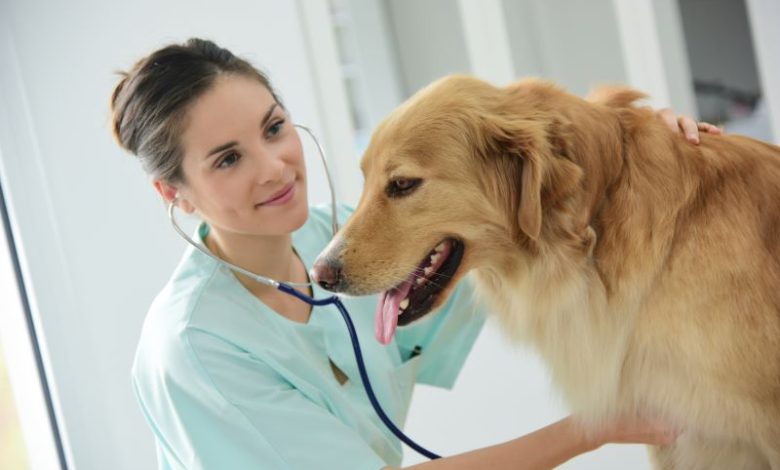
![Image: A professional and warm image of a veterinarian holding a golden retriever during a calm check-up in a modern, well-lit clinic environment, emphasizing the bond between owner, pet, and professional.]