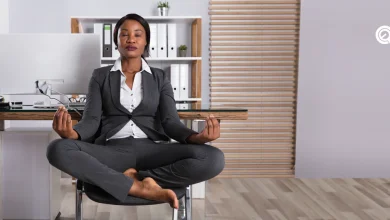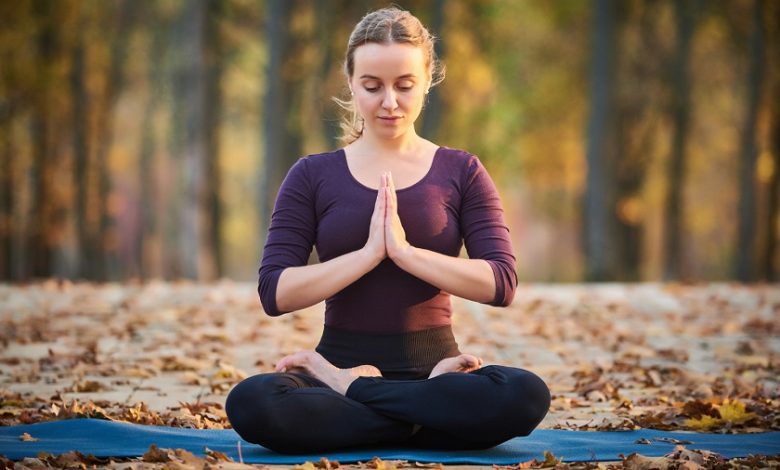
Yoga is a holistic discipline that connects the body, mind, and breath. Originating in ancient India, it blends physical postures, breath control, and meditation to promote overall well-being. Today, yoga is widely recognized for its ability to enhance strength, flexibility, mental clarity, and emotional balance.
The Origins and Philosophy of Yoga
Yoga has evolved over more than 5,000 years. Rooted in spiritual teachings, it focuses on self-awareness, disciplined living, and inner harmony.
Key Philosophical Principles
-
Union of body, mind, and consciousness
-
Mindfulness as a way to understand oneself
-
Balance between effort and relaxation
-
Ethical living guided by compassion and discipline
-
Inner stillness through breath and meditation
These principles make yoga both a physical practice and a path toward personal growth.
Core Components of Yoga
Physical Postures (Asanas)
Asanas strengthen muscles, improve flexibility, and support joint mobility. They range from beginner-friendly poses to complex movements aimed at advanced practitioners.
Breathwork (Pranayama)
Breath control is central to yoga. These techniques:
-
Calm the nervous system
-
Improve concentration
-
Increase lung capacity
-
Enhance energy flow
Meditation and Mindfulness
Meditation helps reduce mental noise, fostering clarity and emotional stability. It teaches practitioners to stay present and respond calmly to daily challenges.
Relaxation Practices
Relaxation methods like Yoga Nidra guide the body into deep rest, helping release tension and encouraging better sleep.
Benefits of Practicing Yoga
Physical Benefits
-
Increased flexibility and mobility
-
Enhanced muscle strength
-
Better posture and spinal support
-
Improved balance and coordination
-
Reduced chronic pain
-
Better cardiovascular health
Mental and Emotional Benefits
-
Lower stress levels
-
Improved mood and emotional regulation
-
Enhanced focus and cognitive clarity
-
Better sleep quality
-
Greater self-awareness
Holistic Wellness Benefits
-
Mind–body harmony
-
Balanced energy levels
-
Healthier lifestyle choices
-
Stronger resilience to stress
Popular Types of Yoga
Hatha Yoga
A slow-paced, introductory style focusing on basic postures and breathing—ideal for beginners.
Vinyasa Yoga
Flow-based yoga that links movement with breath, creating dynamic and energetic sequences.
Ashtanga Yoga
A structured and physically demanding practice designed to build strength, stamina, and discipline.
Yin Yoga
A meditative style involving long-held stretches that target deep connective tissues.
Restorative Yoga
A deeply relaxing form of yoga using props to support the body during gentle, calming postures.
Kundalini Yoga
Incorporates movement, chanting, and breathwork to awaken inner energy and improve spiritual awareness.
Tips for Getting Started with Yoga
Beginner-Friendly Guidelines
-
Start with basic poses to build foundational strength.
-
Practice consistently, even if for 10 minutes a day.
-
Use props like blocks or straps for support.
-
Focus on breathing instead of perfecting poses.
-
Wear comfortable clothing and choose a non-slip mat.
-
Listen to your body to prevent strain or injury.
-
Try a guided class to learn correct alignment.
Frequently Asked Questions (FAQ)
1. Is yoga suitable for complete beginners?
Yes, many yoga styles and poses are designed specifically for those new to the practice.
2. How long does it take to see results from yoga?
Most people notice improvements in flexibility, focus, and energy levels within a few weeks of consistent practice.
3. Can yoga help with back pain?
Yes, gentle yoga routines often help improve posture and relieve tension that contributes to back pain.
4. Do I need special equipment to start yoga?
A basic yoga mat is enough, though props like blocks can provide added support.
5. How often should I practice yoga for best results?
Practicing 3–4 times per week provides noticeable physical and mental benefits.
6. Can yoga help manage stress and anxiety?
Yes, the combination of breathwork and mindfulness is highly effective for stress reduction.
7. Is yoga a good form of exercise for weight control?
Dynamic styles like Vinyasa and Ashtanga can support weight management when paired with healthy habits.