Choosing and using an infant car seat correctly means understanding more than just how to install it—it also requires knowing the infant seat weight limits and why they matter. Many parents are surprised to learn that infant car seats have both minimum and maximum weight and height restrictions, and exceeding them—even slightly—can compromise safety.
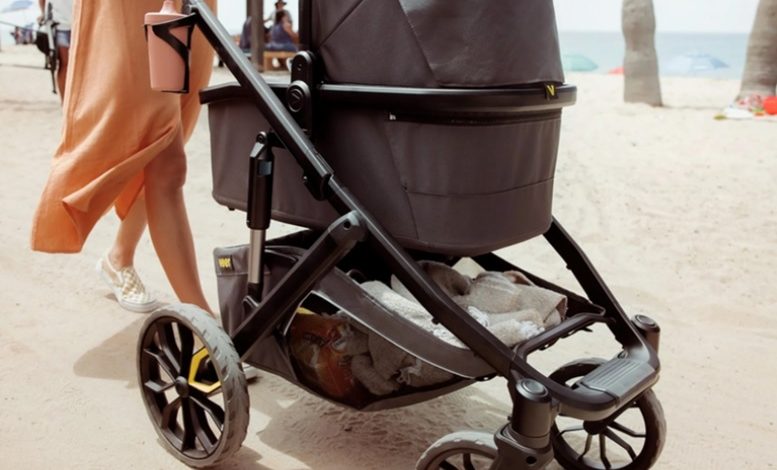
As families plan for travel and daily outings, pairing a properly sized car seat with a best travel stroller can make transportation easier while keeping safety a priority. This guide explains infant seat weight limits in detail, how manufacturers determine them, and how to know when your baby has officially outgrown their infant car seat.
The Standard Range: Typical Maximum Weight Limits
Most infant car seats are designed for newborns through the first year, though the exact limits vary by model.
Common Maximum Weight Ranges:
- 22 pounds (10 kg) – older or lightweight infant seats
- 30–32 pounds (13–14.5 kg) – modern extended-range infant seats
- Some models also include height caps of 29–35 inches
These limits are set through crash testing and structural design. Once a child exceeds the stated maximum—by weight or height—the seat can no longer provide guaranteed protection.
It’s important to remember that the lower of the two limits (weight or height) always applies.
Minimum Weight Requirements: Accommodating Premature and Small Infants
Infant car seats also have minimum weight requirements, which are just as important as maximum limits.
Typical Minimum Weights:
- Most seats: 4–5 pounds
- Some specialized models: as low as 3 pounds
For premature or low-birth-weight babies:
- Only use a seat explicitly rated for their weight
- Ensure the harness can tighten snugly
- Follow NICU or pediatric guidance before first use
Using an infant seat before your baby meets the minimum weight can prevent the harness from fitting properly, increasing injury risk in a crash.
Height vs. Weight: Why Height Often Matters More for Outgrowing the Seat
Many parents assume weight is the main factor—but height often determines when a baby outgrows an infant seat first.
Why height matters:
- Infant seats rely on shell height to protect the head and neck
- A tall baby may exceed height limits long before weight limits
- Harness slots may become too low relative to the shoulders
A baby who still weighs well under the maximum may still be too tall for the seat to function safely.
The Critical Head Rule: The “One Inch Below the Shell” Guideline
In addition to stated height limits, most infant seats include a crucial safety rule:
Your baby’s head must be at least 1 inch below the top of the car seat shell.
Why This Rule Exists:
- Prevents head contact with vehicle interiors
- Maintains structural protection during a crash
- Reduces spinal injury risk
Even if your child is under both the weight and height limits, violating the 1-inch head clearance rule means the seat is outgrown and unsafe.
Understanding the Trade-Off: Portability and Higher Weight Limits
Infant car seats are popular because they are:
- Portable
- Compatible with strollers
- Convenient for newborns
However, portability comes with trade-offs.
Infant Seat Design Priorities:
- Lightweight shells
- Detachable carrier style
- Smaller internal dimensions
Because of this, infant seats typically have lower maximum limits than convertible car seats. A higher weight capacity often means:
- Heavier seat
- Bulkier design
- Reduced portability
This is why many parents eventually transition to a convertible seat even when their baby still technically fits in the infant carrier.
Infant vs. Convertible: Comparing the Weight Limits of Both Rear-Facing Types
Understanding the difference between seat types helps parents plan ahead.
Infant Car Seats:
- Rear-facing only
- Max weight: typically 22–32 lbs
- Used from birth
- Designed for easy carrying
Convertible Car Seats:
- Rear-facing and forward-facing
- Rear-facing limits often 40–50 lbs
- Used from infancy through toddler years
- Installed permanently in the car
While infant seats are ideal for early months, convertible seats offer extended rear-facing safety, which is strongly recommended by pediatric and safety organizations.
Checking Your Seat: Locating the Specific Limits on Labels and in the Manual
Never rely on online guesses or secondhand advice. Always check your exact seat model.
Where to Find Infant Seat Weight Limits:
- Side or bottom label on the seat shell
- Instruction manual
- Manufacturer’s official website
Look for:
- Minimum and maximum weight
- Maximum height
- Head clearance rule
- Rear-facing requirements
If the manual is missing, most manufacturers—including Safety 1st, Graco, Chicco, and others—offer free digital copies online.
When to Transition: Signs You’ve Reached the Manufacturer’s Max Capacity
Your baby should transition out of the infant seat when any of the following occur:
- Weight exceeds the stated maximum
- Height exceeds the stated maximum
- Head is within 1 inch of the shell top
- Harness no longer fits correctly at or below shoulders
Transitioning early is far safer than stretching usage past limits.
Important Note:
Moving out of an infant seat does not mean turning your child forward-facing. Most babies should move to a rear-facing convertible seat after outgrowing the infant carrier.
Common Myths About Infant Seat Weight Limits
“My baby still fits, so it’s fine.”
Visual fit does not override manufacturer limits.
“It’s okay if we’re just driving a short distance.”
Most accidents happen close to home—distance doesn’t reduce risk.
“My baby is under the weight limit, so height doesn’t matter.”
Height limits and head clearance rules are equally important.
Safety guidelines are based on crash testing—not convenience.
Why Staying Within Limits Protects Your Baby
Infant car seats are engineered to:
- Absorb crash forces
- Distribute impact energy
- Protect the head, neck, and spine
Once a child exceeds weight or height limits:
- Harness geometry changes
- Shell protection decreases
- Injury risk increases significantly
Respecting infant seat weight limits is one of the simplest, most effective ways to reduce serious injury risk.
Final Thoughts: Infant Seat Weight Is a Safety Boundary, Not a Suggestion
Understanding infant seat weight limits empowers parents to make confident, informed safety decisions. These limits exist not to inconvenience families, but to ensure the seat performs exactly as designed during a collision.
As your baby grows, pairing a properly sized car seat with smart travel gear—such as a best travel stroller that complements your lifestyle—can make transitions smoother without compromising safety.


