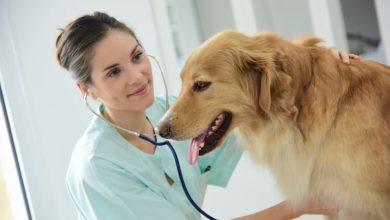
The landscape of veterinary medicine is undergoing a profound transformation. Driven by rapid technological progress and a deeper understanding of animal biology, the future of pet care is shifting from a reactive model of treating illness to a proactive, data-driven approach focused on long-term wellness. As we look toward the coming decade, innovations in artificial intelligence, genomics, and remote monitoring are converging to redefine how we care for our animal companions.
The Rise of Precision and Preventive Medicine
Traditional veterinary care has historically relied on episodic visits. A pet owner would bring their animal to the clinic only after symptoms became apparent. The future, however, is built on the concept of precision medicine. By leveraging genetic testing and molecular diagnostics, veterinarians can now identify breed-specific predispositions to disease long before they manifest.
This personalized approach allows for the creation of tailored wellness plans. Instead of a one-size-fits-all vaccination or dietary protocol, medical decisions are increasingly based on an individual pet’s genetic blueprint, environmental risks, and lifestyle. For example, knowing a dog has a genetic marker for a specific joint condition allows for early interventions, such as specialized nutrition or physical therapy, which can prevent or significantly delay the onset of clinical symptoms.
Artificial Intelligence as a Diagnostic Partner
Artificial intelligence is becoming an indispensable tool in the modern veterinary clinic. Machine learning algorithms are now capable of analyzing medical images, such as radiographs, ultrasounds, and MRI scans, with remarkable speed and accuracy. These systems can highlight subtle anomalies that might escape the human eye, acting as an objective second opinion that increases diagnostic confidence.
Beyond imaging, AI is being utilized for:
-
Predictive Analytics: By analyzing vast datasets from electronic medical records, AI models can identify patterns that predict the development of chronic illnesses, such as kidney disease or diabetes, months or even years earlier than traditional diagnostic methods.
-
Symptom Triage: AI-powered virtual assistants can help pet owners assess the urgency of a health concern, determining whether an immediate emergency visit is required or if the situation can be monitored at home.
-
Administrative Efficiency: AI automates routine tasks like note-taking and appointment scheduling, allowing veterinary professionals to spend more quality time with their patients rather than buried in paperwork.
Remote Monitoring and Wearable Technology
The most visible change for pet owners is the proliferation of smart devices. Wearable technology for pets has evolved far beyond basic GPS trackers. Today, smart collars and harnesses continuously collect data on vital signs, including heart rate, respiratory rate, body temperature, and activity levels.
This stream of real-time health data transforms the veterinary-client relationship. Instead of relying on a pet owner’s subjective observation of a pet’s behavior, the veterinarian can access objective data to see how the animal is functioning at home. If a dog recovering from orthopedic surgery shows a subtle change in its gait or a decrease in activity during the night, the wearable device can trigger an alert to the clinic. This allows the medical team to intervene before a minor complication turns into a major emergency.
Telemedicine and Accessibility
Telemedicine has bridged the geographical gaps that once limited access to quality veterinary care. Virtual consultations are no longer just a convenience; they are a vital component of the care continuum. For pet owners in rural or underserved areas, or for pets that experience extreme anxiety during car rides and clinic visits, remote consultations provide a stress-free way to receive expert advice.
These platforms often integrate with the wearable devices mentioned above, creating a seamless flow of information. During a video call, a veterinarian can review the pet’s recent activity logs or vital signs, ensuring that their recommendations are based on concrete data. This model is particularly effective for managing chronic conditions where frequent, short check-ins are more beneficial than infrequent, high-stress in-clinic exams.
Genomic Breakthroughs and Advanced Therapies
The field of genomics is perhaps the most exciting frontier in animal science. We are moving toward a future where specific mutations related to diseases like cancer or hereditary heart conditions can be targeted with specialized therapies. Gene editing and advanced regenerative medicine, including stem cell therapy, are becoming more accessible in veterinary practice.
These therapies offer hope for conditions that were once considered untreatable. By focusing on the cellular level, veterinarians can promote tissue repair and manage chronic pain more effectively. This shift represents a broader trend of bringing medical standards that were once exclusive to human healthcare into the realm of veterinary medicine, ensuring that our pets benefit from the same scientific advancements that we do.
The Human Side of Innovation
While technology is the engine of change, the heart of veterinary medicine remains the human-animal bond. The future of the field is not about replacing the veterinarian with machines, but rather empowering them with tools that enhance their capacity for care. By reducing the administrative burden and providing early-warning systems for illness, technology helps decrease professional burnout and allows practitioners to focus on what they do best: diagnosing complex cases and providing compassionate, hands-on treatment.
As we move forward, the successful integration of these innovations will depend on the collaborative spirit between pet owners, veterinary staff, and technology developers. The ultimate goal remains consistent: to provide pets with a higher quality of life, fewer emergency interventions, and a longer, healthier span of time by our sides.
Frequently Asked Questions
Will technology ever replace the need for physical vet exams?
No. While technology and remote monitoring provide essential data, they cannot replace the physical examination. A vet must still palpate for lumps, listen to heart and lung sounds, and assess the pet’s overall demeanor in person. Technology serves as a tool to supplement, not replace, these critical hands-on evaluations.
How can I ensure my pet’s data remains private?
Reputable veterinary technology companies and clinics are bound by strict data protection standards. When selecting wearable devices or telehealth platforms, check their privacy policy to see how they handle your data and whether they share it with third parties. Always use devices that offer encrypted connections.
Are these high-tech treatments affordable for the average pet owner?
While early adoption of new technology can be expensive, these tools often lead to cost savings over time. By catching illnesses early, owners can avoid the high costs of emergency surgeries and intensive, long-term hospitalizations. Furthermore, as these technologies become more mainstream, their costs are expected to decrease.
What should I look for when choosing a tech-forward clinic?
Look for a clinic that demonstrates a commitment to innovation, such as those that offer integrated mobile apps for records, utilize digital imaging tools, and are open to discussing remote monitoring options. A forward-thinking practice will be eager to explain how these tools can improve your specific pet’s care.
Can wearable devices detect behavioral issues like separation anxiety?
Yes, many modern wearables track sleep quality and activity patterns while you are away. Sudden changes in these patterns, such as increased pacing or restlessness, can provide your veterinarian with concrete evidence of stress or anxiety, helping them tailor a behavioral intervention plan.
How do I know if my pet is a good candidate for telemedicine?
Telemedicine is best suited for non-emergency follow-ups, behavioral consultations, nutrition counseling, and triage. If your pet has a complex medical history or is exhibiting signs of an emergency, an in-person physical exam is always the required first step.
![A futuristic veterinary clinic concept featuring a professional veterinarian using a tablet to review health data from a pet’s wearable collar while a happy dog sits calmly on an examination table.]