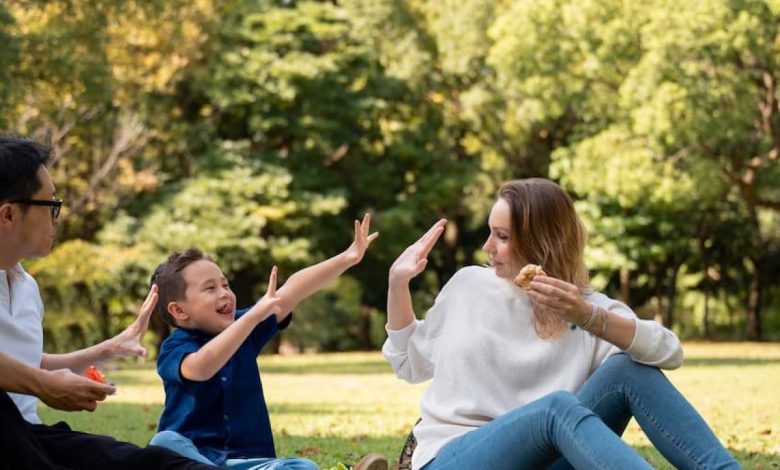
There was a time when keeping kids entertained didn’t require fancy gadgets or screens. All it took was a bit of sunshine, a few friends, and maybe a rope tied to a tree branch. Children could spend entire afternoons running, laughing, and creating imaginary worlds out of thin air. Looking back, it’s easy to see why those moments mattered so much—they shaped friendships, built resilience, and gave childhood its purest joys.
Today, things look a little different. With so much technology at our fingertips, many children spend more time indoors than outdoors. Even schools have started noticing shorter attention spans and reduced physical coordination. As parents, teachers, and caregivers, there’s a growing need to bring back the balance—to remind ourselves that outdoor play isn’t just about fun, it’s about growth.
Rediscovering the Magic of the Backyard
A backyard can be so much more than a patch of grass or a place for the dog to roam. It’s a safe and open environment where kids can explore freely, without the rules or boundaries of structured indoor play. Some of the most memorable moments of childhood happen outside—building forts, chasing butterflies, or simply lying on the grass watching clouds move.
Parents who grew up before the age of smartphones often talk about how the outdoors taught them independence. Falling off a bike, climbing too high on a tree, or getting muddy while making “soups” out of garden leaves all contributed to small but meaningful lessons. Those moments, as messy as they were, built confidence and curiosity.
In recent years, many families have begun reclaiming that sense of outdoor fun by adding classic play features to their backyards. It might start with a small slide or sandbox, but over time, many rediscover the timeless charm of swing sets. There’s something special about a swing—it captures the feeling of freedom, of flying without leaving the ground. Even adults can’t resist a turn once in a while, if only to relive a piece of their own childhood.
The Emotional Value of Outdoor Play
Children naturally thrive when they’re moving, exploring, and testing boundaries. Outdoor play fosters both physical and emotional development in ways that screens never can. When kids play outside, they encounter small challenges—climbing higher, balancing longer, or taking turns with friends. These challenges teach patience, resilience, and empathy.
Playing on swings, for example, helps children understand rhythm and coordination, but it also teaches trust. They learn to lean back, push forward, and feel the world move beneath them. For many parents, watching their children experience that simple joy can be surprisingly emotional. It’s a reminder that the best parts of life are often the simplest.
More Than Just Exercise
It’s easy to think of outdoor play purely as physical activity, but it’s so much more than that. When kids run around or swing back and forth, they’re developing spatial awareness and muscle strength. But they’re also improving their focus, creativity, and problem-solving skills. Nature has a calming effect on the mind—something that benefits children and adults alike.
In fact, researchers have found that spending just 20 minutes outdoors can reduce stress hormones and boost concentration. Parents often notice that kids who play outside regularly sleep better, eat better, and show fewer behavioural issues. It’s a kind of therapy that doesn’t require any effort—just open space and a bit of imagination.
How Families Can Encourage Outdoor Time
The trick to getting children outdoors is to make it effortless. It’s not about strict schedules or planned activities but about accessibility. Having a small corner of the yard dedicated to play can make a big difference. A swing, a climbing bar, or a small playhouse gives kids a destination—a reason to step outside.
It’s also helpful when parents lead by example. If children see adults gardening, reading, or simply relaxing outdoors, they naturally want to join in. Shared activities like setting up a tent, painting garden rocks, or building a birdhouse can turn into weekly traditions that strengthen family bonds.
Even small gestures—like letting kids eat lunch on the patio or giving them watering duties for plants—can foster a connection to the outdoors. It’s about creating habits that prioritise movement and nature over screens and sofas.
A Return to Simplicity
There’s a quiet nostalgia in watching children play outside. The rhythm of a swing, the laughter echoing through the backyard, and the sight of muddy footprints on the porch—all of it feels like a return to something important we once took for granted.
Outdoor play brings perspective. It reminds families to slow down, to appreciate the little things, and to find joy in moments that cost nothing. While technology and modern entertainment have their place, they can’t replace the emotional fulfilment that comes from real-world play.
When parents look back years later, they won’t remember the number of hours their children spent on tablets. They’ll remember the laughter under the blue sky, the scraped knees, and the calls of “just five more minutes!” before sunset.
The world moves fast, but the simple pleasures of childhood don’t have to fade with time. With a bit of care, creativity, and effort, every backyard can become a little world of adventure again—a place where kids can swing high, dream big, and discover who they are, one sunny afternoon at a time.